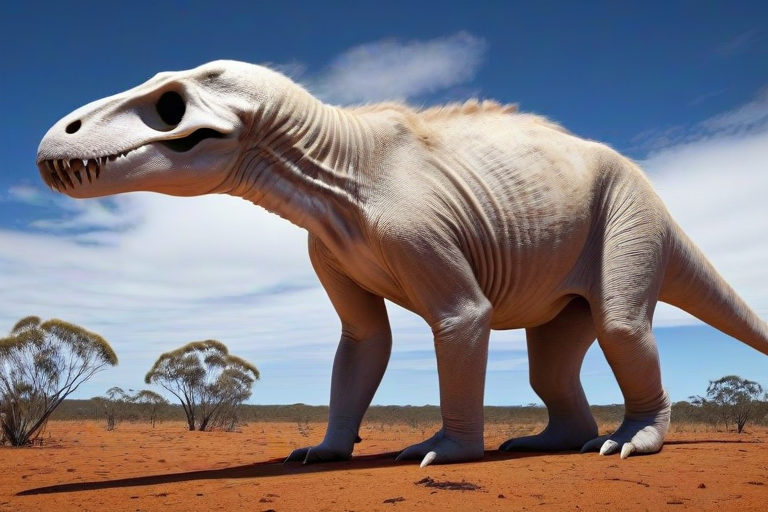
The Ghosts of Australia: Unraveling the Mystery of Megafauna Extinction
The story of Australia’s megafauna – the giant marsupials, birds, and reptiles that once roamed the continent – is a compelling one of dramatic loss. These creatures, some of the largest to ever walk the Earth, vanished in a relatively short period after the arrival of humans. Understanding why they disappeared is a crucial window into the complex interplay between species and their environment, and it offers valuable lessons for conservation today.
The extinction of Australia’s megafauna wasn’t due to a single factor, but rather a confluence of pressures. One key element often overlooked is the “element of surprise.” These animals had evolved over millennia in an environment largely devoid of large predators. They lacked the natural defenses – speed, agility, or thick hides – to effectively cope with a new kind of hunter: humans.
Direct hunting undoubtedly played a significant role. Archaeological evidence reveals that early Aboriginal Australians actively hunted many of these large animals for food and resources. However, the impact of human hunting alone doesn’t fully explain the scale and speed of the extinctions.
Furthermore, human arrival coincided with a period of significant environmental instability. Climate change was already underway, leading to shifts in vegetation and water availability. This existing stressor made the megafauna more vulnerable to the additional pressures brought by humans.
Perhaps one of the most profound changes humans initiated was through fire. For tens of thousands of years, Aboriginal Australians used fire as a tool to manage the landscape. This wasn’t simply about clearing land for hunting; it fundamentally altered the ecology of Australia. Fire favored the growth of certain plant species, making the habitat less suitable for many of the megafauna. It also likely drove some species towards extinction by destroying their food sources and refuges.
The timing of these extinctions is particularly striking. Many of the largest and most vulnerable species, like the giant marsupial Diprotodon and the large flightless bird Genyornis, disappeared within a few thousand years of human arrival. This temporal overlap strongly suggests a causal link between human presence and the megafauna’s demise.
The story of Australia’s megafauna extinction serves as a stark reminder of the profound impact humans can have on ecosystems. It highlights the importance of considering multiple interacting factors when studying extinctions and underscores the long-term consequences of even seemingly localized environmental changes. It’s a cautionary tale, etched in the fossil record, that compels us to think critically about our role in the natural world and the responsibility we have to protect biodiversity.