Navigating Through the Tides of Change: The Sapiens’ Unique Ability to Redefine Their World
In an illuminating lecture from his course “A Brief History of Humankind,” Dr. Yuval Noah Harari explores an aspect of human society that sets us apart from all other species on planet Earth. Section 2, Lecture 5 delves into the remarkable capacity of Homo sapiens to dramatically transform their social orders, a theme that not only underscores our uniqueness but also hints at the underlying mechanisms that have propelled us through history. Harari elucidates this concept with compelling examples, such as the seismic shifts witnessed during the French Revolution and the extraordinary life of a woman born in Berlin in 1900, who lived under five different social and political regimes until 1989. Through these examples and Harari’s insightful analysis, we gain a deeper understanding of the profound impact this malleability has had on our species.
The Power to Dream—and Redream—Our World
At the heart of Harari’s lecture is the idea that sapiens are not merely passive recipients of their genetic or environmental conditions but active participants in reshaping their collective destinies. Unlike other species, humans can imagine entirely new social orders, believe in them, and then work collectively to bring them into reality. This process, fueled by our unique cognitive abilities, such as language, imagination, and belief in shared myths, allows for dramatic societal transformations.
Witnessing History Through the Eyes of a Berliner
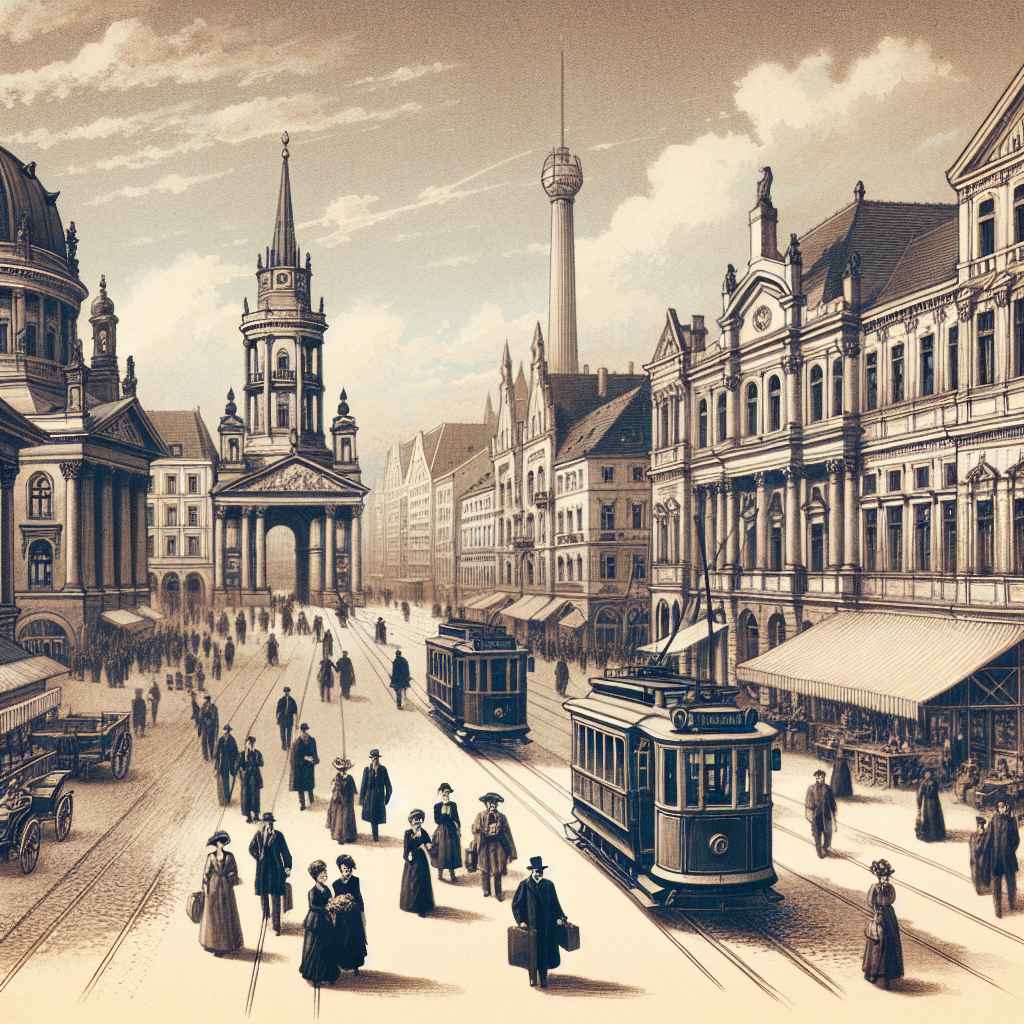
Consider the life of the Berlin woman cited by Harari. Born at the dawn of the 20th century, she would experience the dramatic aftermath of World War I, the volatile Weimar Republic, the rise and fall of Nazi Germany, the division of Berlin in the Cold War era, and finally, the joyous fall of the Berlin Wall in 1989. Each of these social orders not only demanded different modes of behavior and belief but also presented radically different visions of the world, showcasing the fluidity and adaptability of human societies.
The French Revolution: A Turning Point in Human Consciousness
The French Revolution serves as another vivid example. It was not merely a political upheaval but a profound transformation in how human society could be organized. The revolutionaries dared to imagine a world free from the fetters of monarchy and aristocracy, grounded instead in liberty, equality, and fraternity. This vision, once unthinkable, became a new reality, illustrating how sapiens possess an unrivaled capacity to overthrow ancient orders and conceive of society anew.
The Impact on Sapiens and Their Societies
This ability to transform social orders has had far-reaching consequences for our species. It has enabled us to adapt to and thrive in a myriad of environments, overcome seemingly insurmountable challenges, and continuously progress (albeit not without significant turmoil and suffering). However, it also imposes a unique burden; the societies and systems we construct are fragile, constantly under threat from the very forces that bring them into being. Our history is thus a tapestry of creation and destruction, a cycle of order and chaos born from our unrivaled imagination.
Conclusion
Dr. Harari’s exploration of sapiens’ capacity for social and political reimagining not only highlights a fundamental aspect of our story but also invites reflection on the future. As we face unprecedented global challenges, understanding our unique ability to conceive and reconstruct our social orders offers both a caution and a beacon of hope. It reminds us that the future, though unwritten, is ours to imagine and, crucially, ours to create. The lessons garnered from the lecture, like the stories of the French Revolution and the resilient woman from Berlin, serve as powerful reminders of our collective potential to redefine the world. As we look ahead, let us draw on this distinctive human capability to dream boldly, adapt wisely, and build compassionately, shaping a future that honors the best of what it means to be sapiens.