The Denisovans: Unraveling the Mystery of Our Ancient Cousins
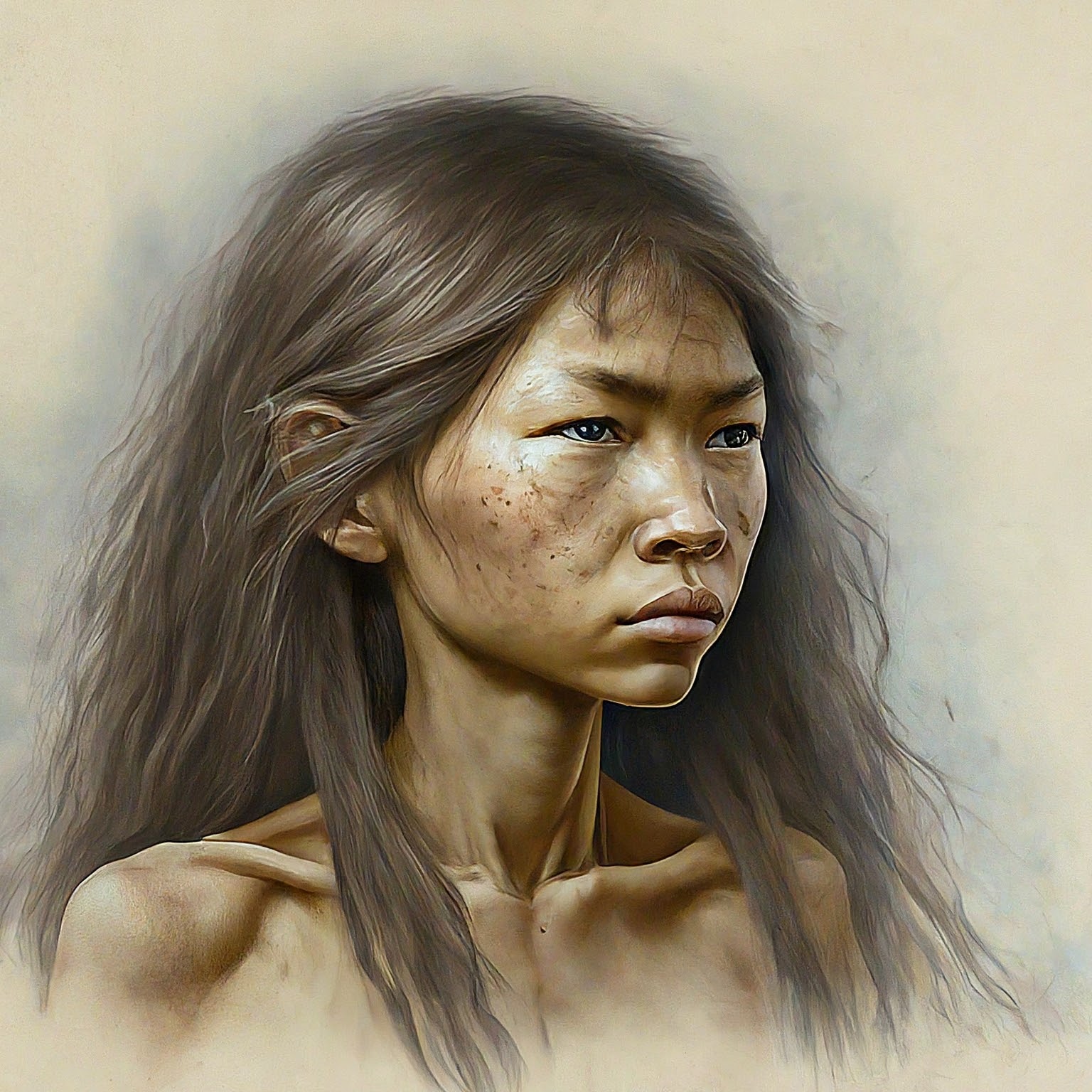
For decades, the Neanderthals held the spotlight as the closest extinct relatives to modern humans. But the discovery of the Denisovans has added a fascinating layer to our understanding of human ancestry.
Who Were the Denisovans?
- A distinct group of archaic humans who lived during the Lower and Middle Paleolithic periods.
- Known primarily from scant fossil remains found in Denisova Cave in Siberia, Russia. Genetic analysis reveals interbreeding with both Neanderthals and early modern humans.
Expanding Horizons: New Evidence of Denisovan Range
While the initial discovery was in Siberia, mounting evidence suggests the Denisovans had a far wider geographical reach:
- Southeast Asia: Modern-day populations in Southeast Asia, particularly those in the Philippines and Papua New Guinea, carry significant Denisovan DNA, suggesting the Denisovans thrived in this region.
- Tibetan Plateau: Ancient Denisovan DNA was recently extracted from sediment layers in Baishiya Karst Cave. This indicates remarkable adaptation to high-altitude living. -Beyond Siberia: Recent discoveries like a Denisovan jawbone in China’s Xiahe County challenge the idea of Siberia as their sole domain.
Why They Matter
The Denisovans are fascinating for several reasons:
- Complex Ancestry: Their genetic legacy in modern humans reveals complex interactions between different ancient human groups.
- Adaptations: Insights into Denisovan DNA point to possible inherited adaptations, like the ability to survive at high altitudes, that may benefit some modern populations.
- Human Evolution’s Big Picture: They force us to reconsider the linear story of human evolution, proving it’s a tangled, interconnected web.
Even though there is almost no physical evidence of Denisovans such as skeletons or at least bone fragments, they have proved to be almost as adaptable as us. They were able to live in extremely cold climates as well as extremely high altitudes. Yet we find their DNA in jungles in the Philippines. Their DNA has also been found in Native Americans.
The study of the Denisovans is an ongoing and exciting field. As new fossils and genetic data emerge, we’ll surely piece together a clearer picture of these enigmatic early humans and their significance in our evolutionary history.