Devetashka Cave: A Glimpse into Prehistoric Life
Nestled in the lush landscapes of Bulgaria, the Devetashka cave is a monumental testament to natural beauty and historical significance. This massive cave system, not far from the city of Lovech, has served as a silent witness to the passage of time, encapsulating stories from as far back as 70,000 years ago. Its grand chambers and vast entrances have made it a focal point for understanding human prehistory in the region, providing invaluable insights into the lives of early humans.
The Cave Itself
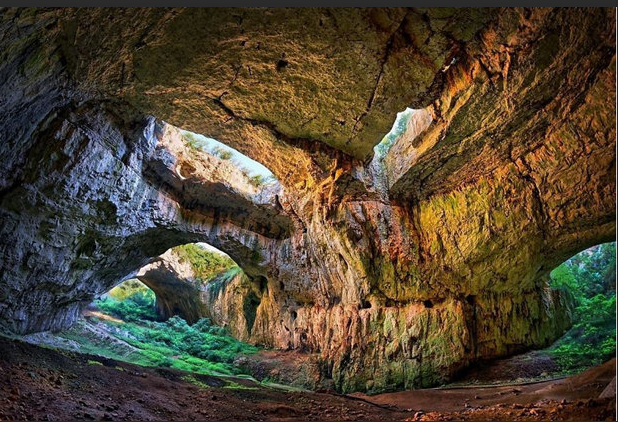
Devetashka Cave, with its impressive structure, features several spacious chambers and extensive galleries that stretch over two kilometers in length. The cave’s ceiling is punctured by seven large openings, allowing sunlight to illuminate the interior, creating a unique and mystical atmosphere. These natural skylights not only enhance the cave’s beauty but also played a crucial role in its habitation by early humans and animals, providing ventilation and light.
The cave’s interior is adorned with an array of stalactites and stalagmites, contributing to its awe-inspiring beauty. The presence of numerous riverine formations indicates the cave was carved out over millions of years by water erosion, showcasing the power of natural forces in shaping the world as we know it.
Impact on Early Peoples
Archaeological evidence suggests that Devetashka Cave was a hub for human activity, serving as a shelter for early humans from the Middle Paleolithic to the Late Neolithic periods (approximately 70,000 to 5,000 years ago). Its significance stems from the wealth of material found within its confines, including tools, pottery, and remains that paint a vivid picture of prehistoric life.
Middle Paleolithic Era
During the Middle Paleolithic era, about 70,000 years ago, Neanderthals found refuge within the cave’s vast chambers. The cave provided a strategic advantage, offering protection from the harsh elements and predators, while its proximity to water sources and abundant resources made it an ideal location for settlement. Archaeological finds from this period include stone tools and animal bones, indicating a hunter-gatherer lifestyle.
Upper Paleolithic to Neolithic Transition
As time progressed, the cave witnessed the transition from Neanderthals to modern humans (Homo sapiens), who continued to utilize this site throughout the Upper Paleolithic and into the Neolithic era. This period, which marked significant advancements in human culture and technology, saw the introduction of more sophisticated tools, pottery, and the beginnings of agriculture.
The cave’s role evolved with these changes, serving not only as a dwelling place but also as a site for ritualistic practices and art. The presence of early ceramic figures and wall paintings in and around the cave suggests a burgeoning sense of community and spiritual belief among its inhabitants.
Late Neolithic Period
By the late Neolithic period, around 6,000 to 5,000 years ago, Devetashka Cave had become part of a larger network of settlements in the region. The people of this era were among the first to practice agriculture systematically, leading to the establishment of more permanent communities. The materials found from this period, including more refined pottery and tools, indicate a shift towards a more settled way of life, with the cave likely serving various communal purposes.
Conclusion
Devetashka Cave is not just a natural wonder but a bridge to our distant past. Its layers tell stories of survival, innovation, and the evolution of human society over tens of thousands of years. From providing shelter to early Neanderthals to witnessing the dawn of agriculture and settled life, the cave is a crucial archaeological site that offers insights into the development of human civilization in the Balkans. As we continue to explore and study this magnificent site, Devetashka Cave promises to unveil more secrets about our ancestors, reminding us of the complexity and resilience of human life throughout history.