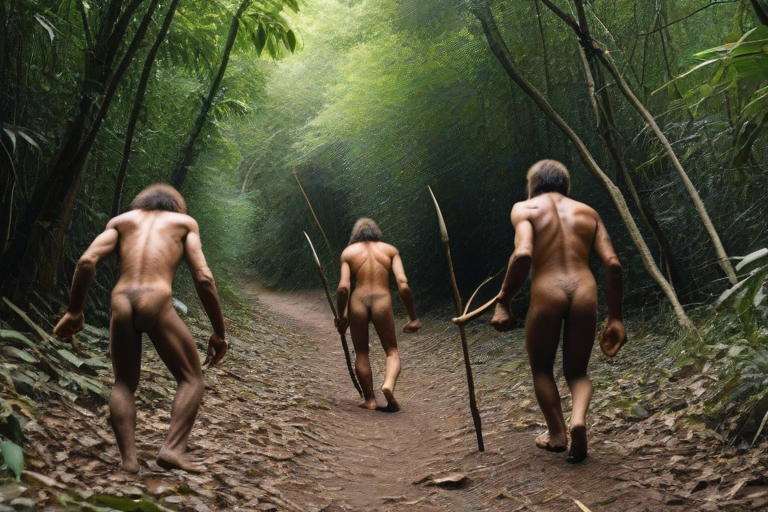
The Unseen Hand of Culture: How Hunter-Gatherer Life Shaped Human Potential
Yuval Noah Harari’s compelling exploration of human history often highlights a pivotal moment: the shift from a hunter-gatherer lifestyle to agriculture. While this transition undeniably spurred population growth and the development of complex societies, it also fundamentally altered the trajectory of human well-being. Examining the lifestyle of our hunter-gatherer ancestors reveals a profound truth about what it means to be human – a truth deeply intertwined with our cognitive abilities and the rich tapestry of shared stories that bound us together.
The core distinction between hunter-gatherers and those who transitioned to agriculture lies not in physical prowess, but in the realm of skills and knowledge versus specialization and labor. Hunter-gatherers possessed an intimate, almost encyclopedic understanding of their environment. Their survival depended on honed skills – tracking a deer, identifying edible plants, crafting tools from stone and bone, and anticipating the rhythms of the seasons and weather. This deep connection to the natural world fostered a remarkable adaptability and resilience. In contrast, the advent of agriculture led to the specialization of labor. While this allowed for greater productivity in some areas, it also meant that a significant portion of the population was no longer directly engaged in the fundamental activities of survival.
The lifestyle of hunter-gatherers offers a compelling counterpoint to the often-romanticized view of progress. Their existence, while demanding in its own way, was characterized by significantly less work. Estimates suggest they worked an average of 35-45 hours per week, a far cry from the often grueling schedules of modern life. This work was woven into the fabric of daily life, not confined to a strict workday. This flexibility translated into ample leisure time for socializing, storytelling, play, and the development of social bonds. Furthermore, hunter-gatherer societies experienced less domestic labor – no need for housework, laundry, or childcare, freeing up time for other pursuits.
Perhaps one of the most striking advantages of the hunter-gatherer lifestyle was their diet. Relying on a diverse array of wild foods – fruits, vegetables, animals, and more – provided a more complete and varied range of nutrients than the often monotonous diets of early agriculturalists. Archaeological evidence even suggests that hunter-gatherers were generally taller and healthier than their agricultural counterparts. Moreover, they were largely shielded from the modern risks of industrial pollution, traffic accidents, and many of the health challenges that plague contemporary societies.
However, the shift to agriculture came at a cost. It demanded significantly more labor, often involving long hours of back-breaking work. The reliance on single crops frequently led to nutritional deficiencies. Child mortality rates were higher in agricultural societies due to malnutrition and disease. And the repetitive, demanding nature of agricultural labor offered little in the way of intellectual or social stimulation compared to the varied and engaging activities of hunter-gatherer life.
The key to the success of hunter-gatherer societies wasn’t simply their skills, but their dietary diversity. This provided a nutritional completeness that underpinned their health and resilience. Their ability to adapt to changing environments and food availability was also crucial. But perhaps the most profound factor was the rich tapestry of shared stories and knowledge that bound them together.
It’s important to note that the commonly cited average life expectancy of 30-40 years in pre-agricultural societies doesn’t signify a short lifespan. Instead, it reflects high infant and childhood mortality. Those who survived to adulthood often lived to be 60, 70, or even 80.
In essence, the transition to agriculture, while enabling population growth, represents a significant trade-off in terms of human well-being. Hunter-gatherer societies, with their emphasis on practical skills, a diverse diet, and a deep connection to nature, offered a lifestyle that was arguably more balanced, healthier, and intrinsically fulfilling. The stories they shared, the knowledge they accumulated, and the way they navigated the world with a profound understanding of their environment reveal a uniquely human capacity for adaptation and resilience – a capacity that continues to shape our species today.