The Power of Imagined Reality: How Peugeot, Limited Liability, and Our Dual Reality Shape the World
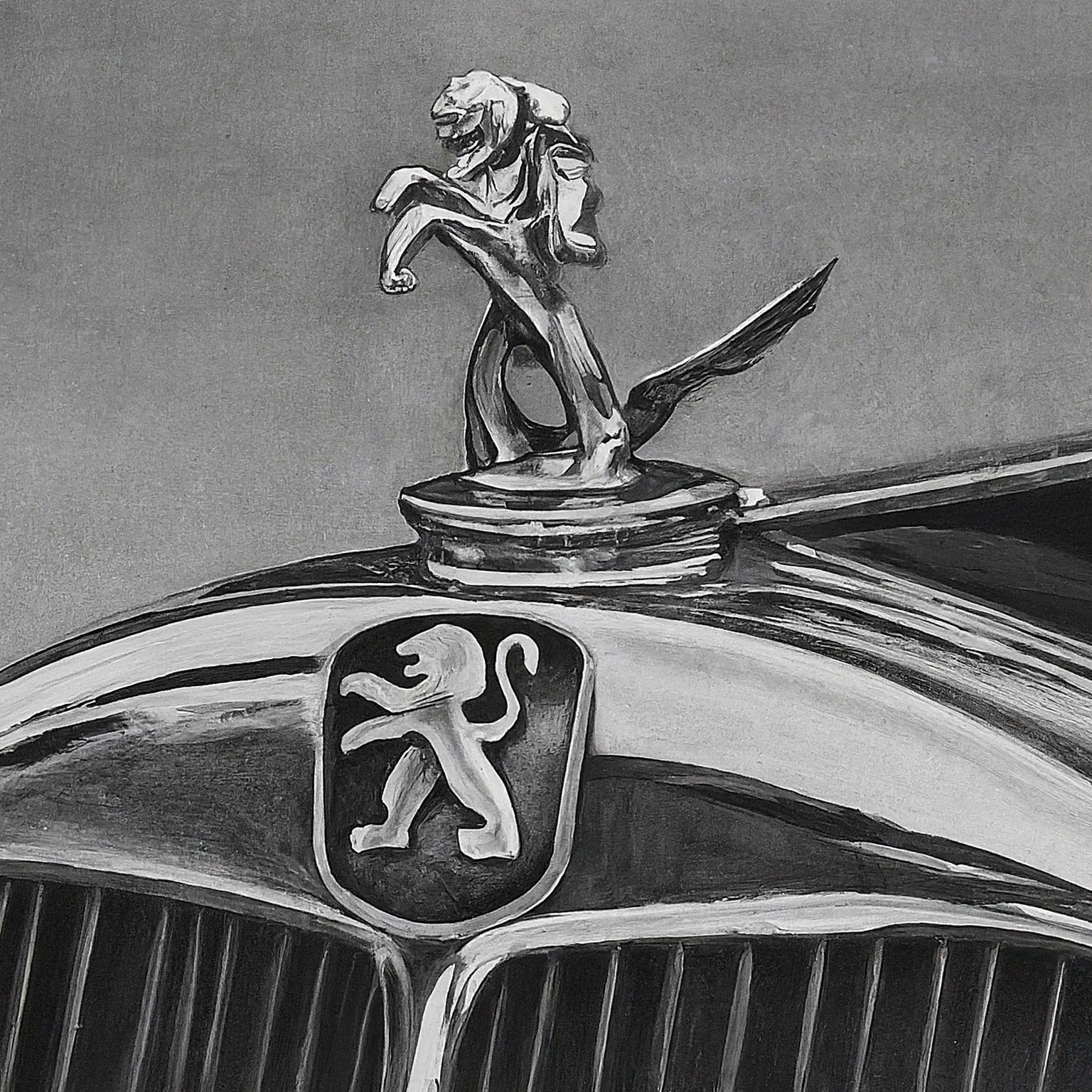
In his groundbreaking course “A Brief History of Humankind”, historian Dr. Yuval Noah Harari delves into a core concept that underlies human society: imagined reality. We may see the world around us as solidly composed of trees, rocks, and lions, but Harari argues that some of the most powerful forces shaping our lives are intangible, existing purely within the realm of shared imagination.
One example Harari spotlights is the automotive giant Peugeot. It’s more than just a collection of factories, cars, and employees. Peugeot exists as a distinct entity due to a story we collectively believe in – the concept of a limited liability company. This legal fiction affords Peugeot special rights and protections – it can own property, sue and be sued, without those consequences cascading onto its individual shareholders.
The importance? This legal story makes large-scale cooperation possible. Investors can confidently pour money into Peugeot, knowing their liability is limited if the venture fails. Without this imagined reality, the risks of such collaboration would be far too high for most people, stifling economic development.
Harari argues that we inhabit a dual reality. There’s the concrete realm of physical laws, the natural world as it exists outside our minds. But layered on top is the world of imagined realities:
- Corporations: Not just collections of people but independent legal ‘persons’.
- Nations: Imaginary borders and shared narratives define communities of millions.
- Religions: Powerful systems of belief and behavior, not bound by purely physical evidence.
The stories and beliefs that form these imagined realities may seem insubstantial, yet they have profound power. Money only has value because we believe it does. Nations hold together due to shared stories of history and identity. Religions shape the behaviors of billions through their ethical systems and beliefs about the afterlife.
Questions to ponder:
- What other imagined realities shape our world? How much power do those stories hold?
- Can harmful imagined realities be changed? What if we started to dismantle the story of always-needing economic growth?
- As AI grows in capability, might we develop new kinds of imagined realities with unpredictable consequences?
Dr. Harari’s work challenges us to consider the stories behind the world we see around us. Some are empowering, others may be destructive or outdated. Understanding imagined reality is a key step towards shaping the future we want to live in.