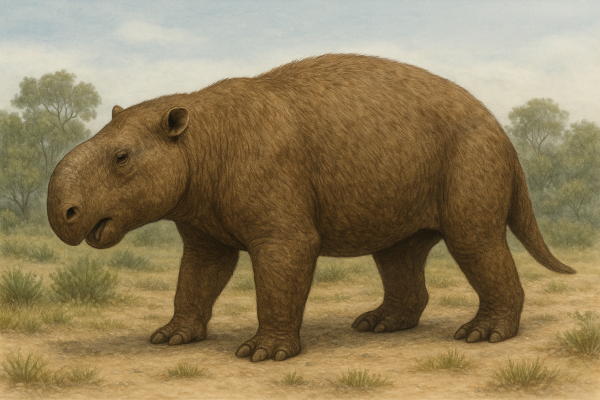
The Long Shadow of Humanity: How Our Arrival Shaped a World in Decline
Since Homo sapiens first appeared on Earth, our presence has been marked by a consistent pattern: the decline and disappearance of other species. This isn’t a recent phenomenon; it’s a story woven throughout our history, unfolding in distinct waves of extinction.
The first wave stretches back tens of thousands of years, coinciding with the migrations of early humans and the rise of hunter-gatherer societies. While the impact of these early populations might seem limited in retrospect, it laid the groundwork for a future of significant ecological change.
A second, more pronounced wave began around 500 AD. This period saw the arrival of farmers on isolated islands like Madagascar. These introductions had a devastating effect on the native flora and fauna, leading to numerous extinctions.
The mechanisms driving these losses have been remarkably consistent. Direct hunting, the alteration of habitats for agriculture, and increased competition for dwindling resources have all played a role. It’s a sobering picture – a narrative of a species expanding its reach and, in doing so, systematically eliminating others.
One way to understand this ongoing process is to think of human expansion as a “flood.” As we spread across the globe, we’ve created a wave of change that has selectively washed away countless species. This isn’t necessarily a deliberate act of malice, but rather a consequence of our growing numbers and our ever-increasing demands on the planet.
While the extinctions of terrestrial species have a long history, the impact on marine life is increasingly urgent. Oceanic ecosystems are now facing threats from pollution, overfishing, and the changing climate – all amplified by human activity.
It’s crucial to recognize that the current rate of extinction isn’t a sudden crisis. It’s a continuation of a much longer pattern. The Agricultural Revolution, which began roughly 10,000 years ago, marked a pivotal turning point. This shift from nomadic hunter-gatherer lifestyles to settled agriculture fundamentally altered our relationship with the environment.
The development of farming led to widespread deforestation, habitat loss, and the disruption of natural ecosystems. It was a catalyst, accelerating the pace of species decline and setting us on a trajectory of unprecedented ecological change.
The stories of these past extinctions are not just historical footnotes. They offer a stark warning about the consequences of unchecked growth and the profound impact a single species can have on the entire planet. Understanding this history is the first step towards charting a different course for the future.