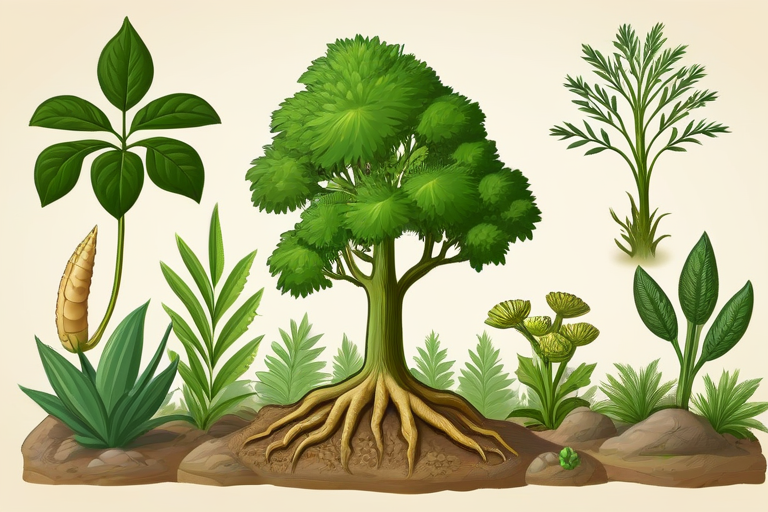
The Unexpected Masters: How Plants Shaped Human History
In his compelling work, Dr. Yuval Noah Harari challenges the conventional narrative of the Agricultural Revolution. He argues it wasn’t a leap forward for humanity, but rather a pivotal moment where plants – specifically wheat, rice, and potatoes – began to exert a powerful influence over human destiny. This isn’t a story of humans mastering nature, but one of nature subtly, yet profoundly, taking control.
The core of this argument is striking: humans didn’t choose agriculture; they were, in a sense, domesticated by the very plants they cultivated. These plants successfully steered human populations towards their propagation needs, fundamentally altering the course of our evolution and societies.
Consider the lifestyle of our hunter-gatherer ancestors. While often romanticized, this way of life offered surprising advantages. Archaeological evidence suggests they enjoyed better health, more leisure time, and a significantly lower risk of starvation, disease, and violence compared to their agricultural descendants.
The shift to agriculture demanded immense physical labor. Clearing land, persistent weeding, constant watering, battling pests, and the backbreaking work of harvesting were the daily realities. This intense labor came at a steep price. Skeletal remains from agricultural societies reveal a high prevalence of back problems, slipped discs, arthritis, and hernias – a stark contrast to the healthier physiques of hunter-gatherers.
Beyond the physical toll, agriculture triggered profound social and lifestyle changes. The need for settled communities led to the development of social hierarchies – kings, nobles, and distinct classes emerged. Nomadic lifestyles gave way to sedentary living, fundamentally reshaping human organization.
Wheat stands out as a particularly successful “domesticator.” Its adaptability and high yield allowed it to spread across the globe, driving widespread human effort and shaping the development of countless civilizations.
Crucially, Harari posits that this wasn’t a matter of free choice. Humans were compelled by the needs of these plants, and the resulting societal structures were a consequence of this compelled relationship. The benefits humans derived from agriculture may have been outweighed by the immense hardship it imposed.
This perspective compels us to reconsider the very foundations of our modern world. The concepts of gods, nations, corporations, human rights, and laws – these are not inherent truths but rather stories we collectively imagine and agree upon. Just as ancient tribes reinforced social order through shared myths and rituals, our contemporary institutions, from corporations to states, function on the same principle of shared, imagined realities.
Consider the fate of entities like Enron, Lehman Brothers, and Washington Mutual. These powerful organizations, once seemingly immutable, have dissolved, their stories ceasing to exist. Yet, the concept of a tree – real, tangible, and undeniably present – remains. This highlights the power of narrative; while physical things may change, the stories we tell about them persist.
Harari’s work isn’t a lament for a lost past, but a profound insight into the complex and often unintended consequences of our relationship with the natural world. It’s a reminder that the seemingly inevitable trajectory of human history was, in many ways, shaped by the subtle but powerful influence of plants – a truly unexpected mastery.